

Nawa Ceremonies
Our nawa system and ceremonies mirror the structure of martial arts and modern belting; values we share in discipline, practice, and precision- additionally serving as an homage to the roots of Japanese rope.
The colored nawa belt, a japanese language scroll, and a tengu (blindfold) will be given in ceremony once a student/teacher has displayed their proficiency by tying for audience and rotating judges during our monthly ceremony days. You will have a set amount of classes, tasks, and check ins with a teacher before your ceremony so you are prepared.
In the event of a ceremony not resulting in a nawa honoring due to absence or additional training required- your monetary contribution can be applied to a future date and time but we will be unable to refund since the cost includes mostly the materials prepared for each student in advance.
Read below the history and inspiration of our Shibari nawa system and ceremonies
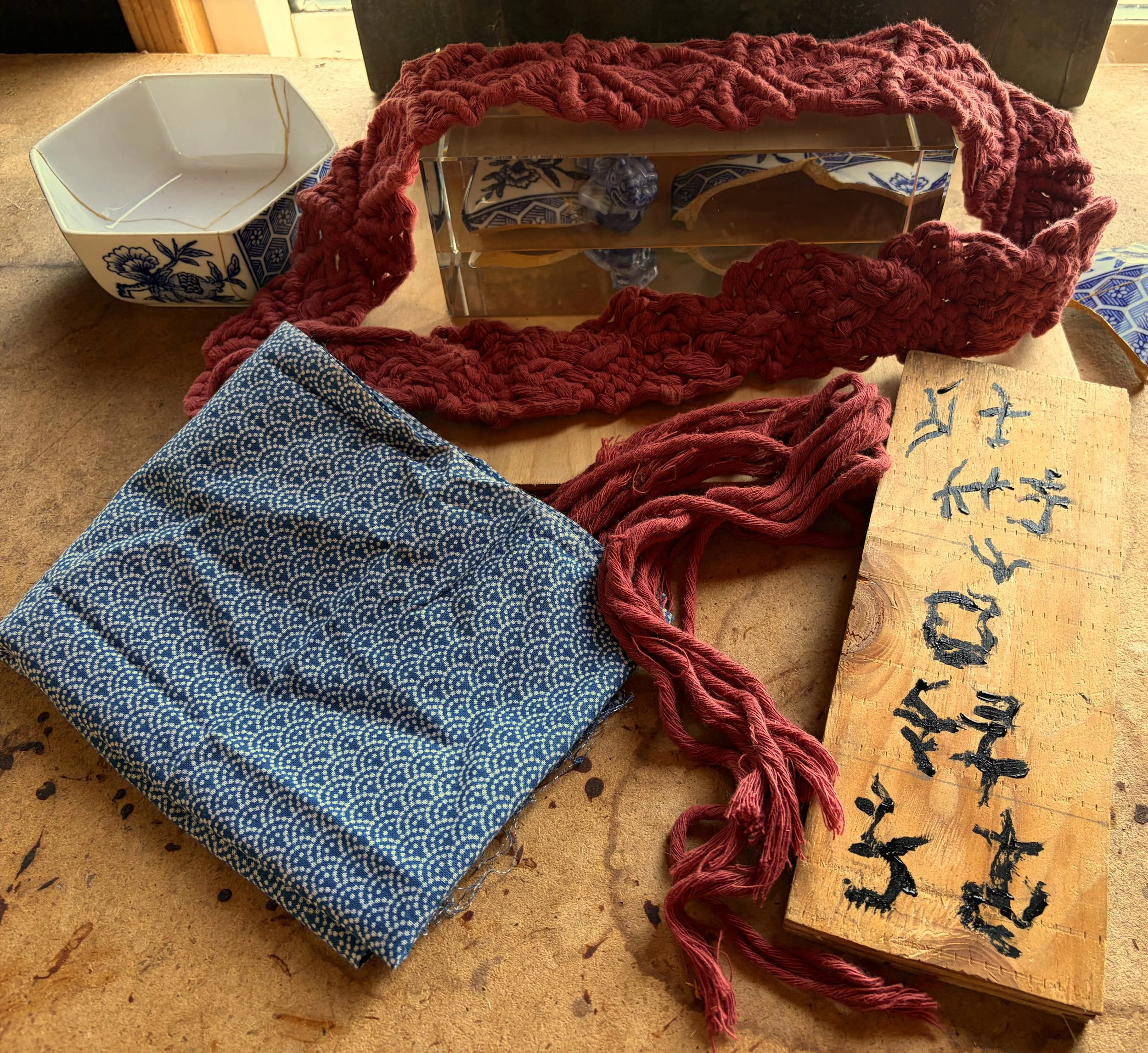
Upon Completion you will receive:
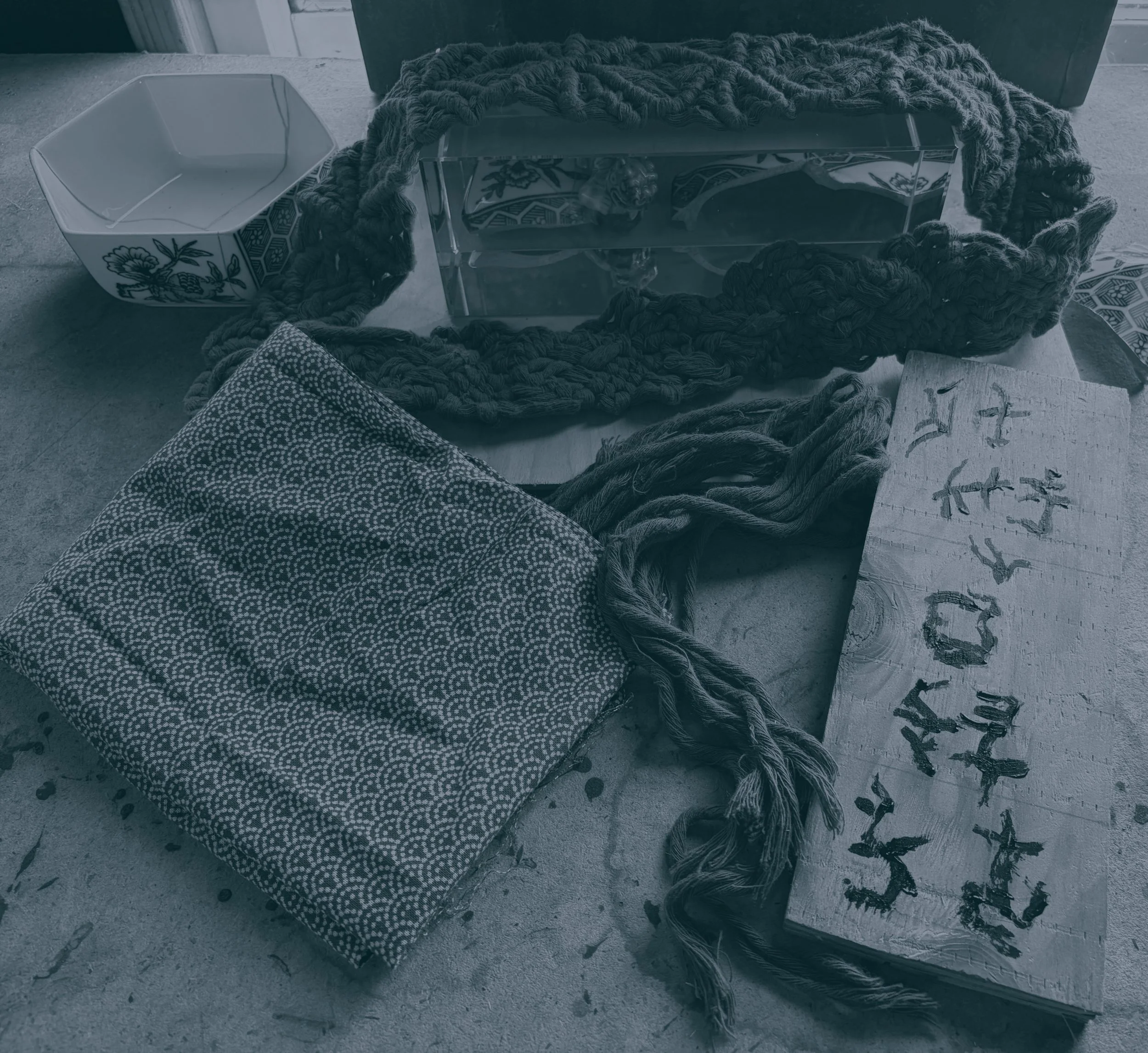
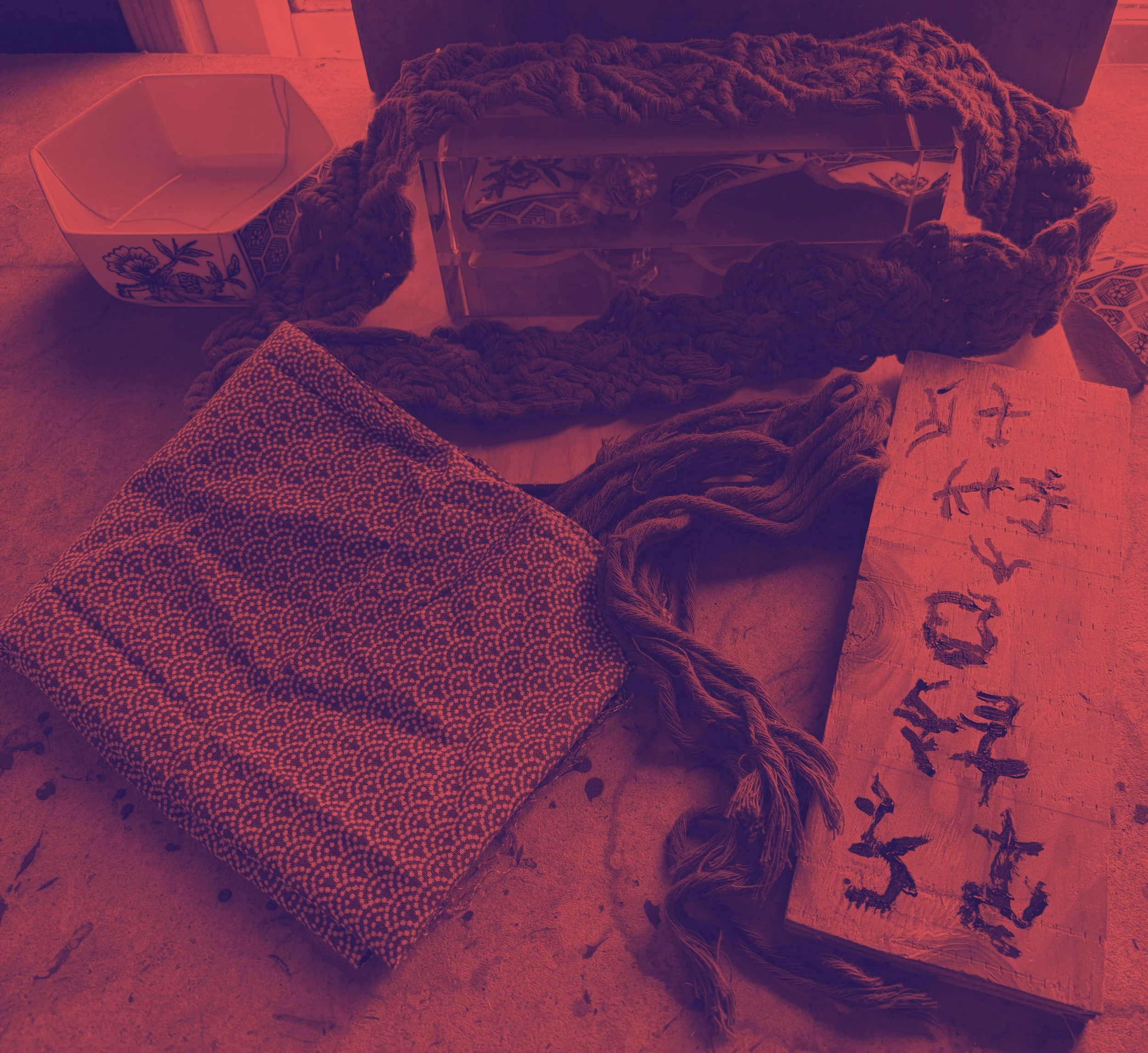
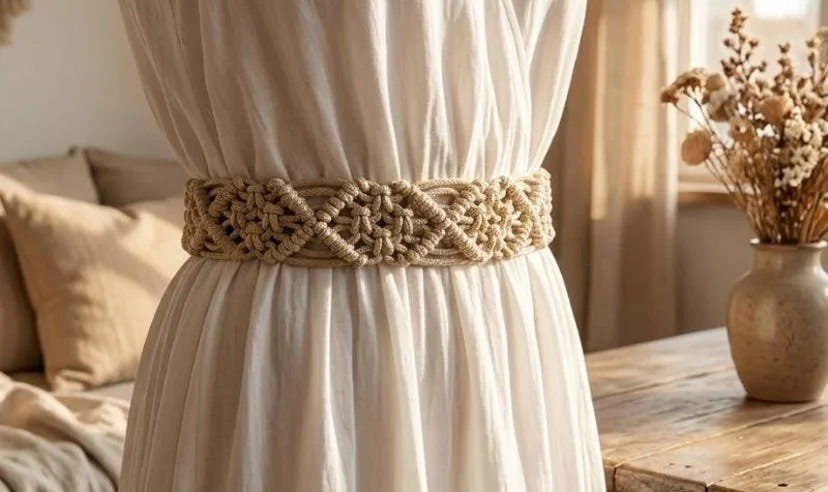
A handmade macrame nawa/belt (S, M, L, XL) adjustable made by local maker Athena Fay / diosa Decor
A hand natural dye and fiber tengu made by The Tiger’s Lair (blind fold)
A scroll on wood or paper (your choice) with Japanese language references to the types of tying accomplished
White
White nawa requirements: Completion of Foundations of Rope + Two other all levels classes
Proficiency :
Basic knowledge of foundations including: informed consent, negotiation, aftercare, vetting.
Basic Safety risk knowledge including nerve impingement and loss of circulation.
- Single column tie, double column tie, half hitch, munter hitch
Yellow
Yellow nawa requirements: Completion of The Floor Series
Proficiency :
Basic knowledge of foundations including: informed consent, negotiation, aftercare, vetting.
Basic Safety risk knowledge including nerve impingement and loss of circulation.
- Single column tie, double column tie, half hitch, munter hitch, x frictions, one patterned tie
Orange
Orange nawa requirements: Completion of The Floor Series + 1 Vibe Series Class, 1 Patterns Class
Proficiency :
Basic knowledge of foundations including: informed consent, negotiation, aftercare, vetting.
Basic Safety risk knowledge including nerve impingement and loss of circulation.
- Single column tie, double column tie, half hitch, munter hitch, x frictions, one patterned tie, one harness
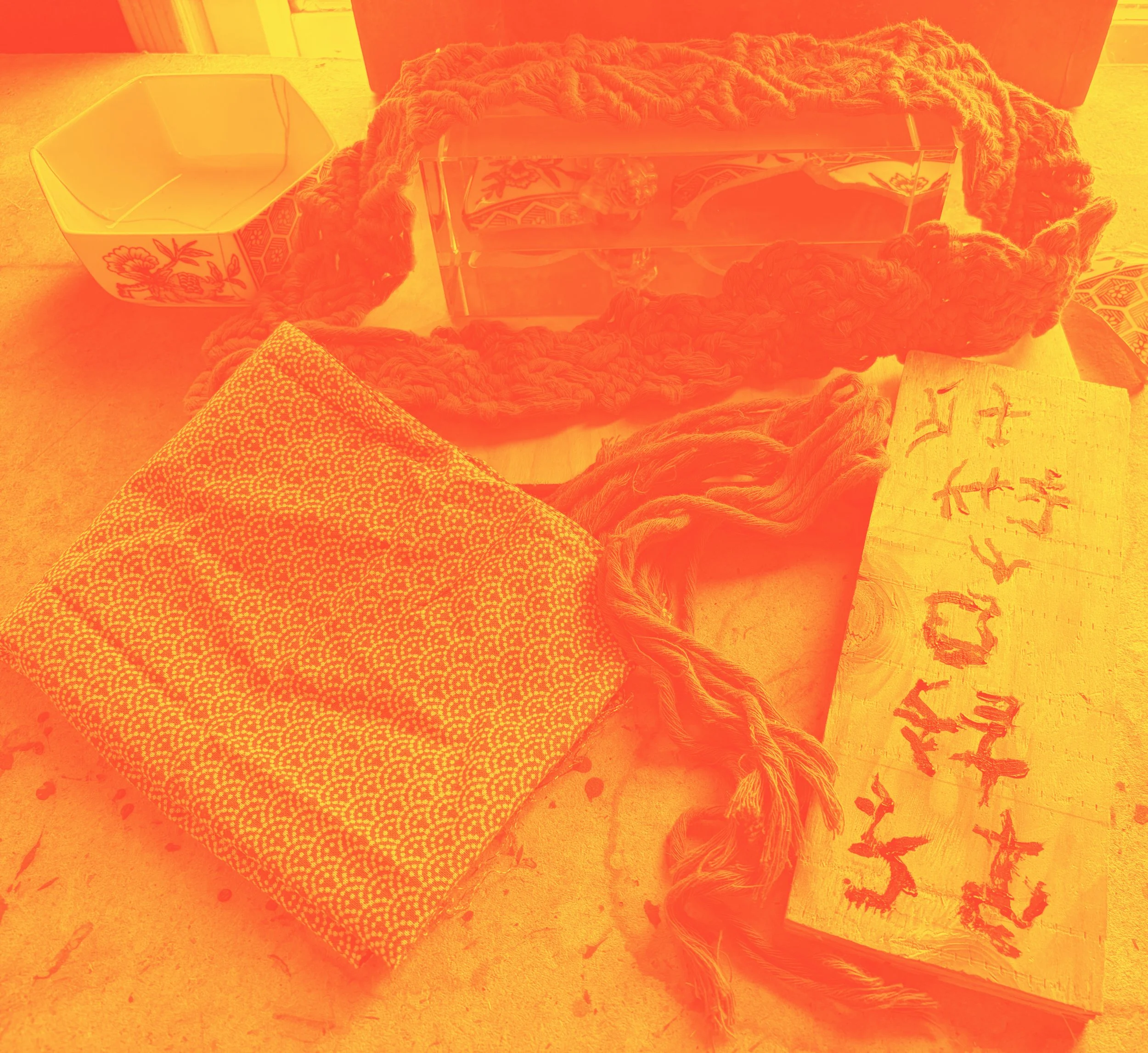
Green
Green nawa requirements: Completion of The Floor Series + 1 Vibe Series Class, 3 Patterns Class
Proficiency :
Basic knowledge of foundations including: informed consent, negotiation, aftercare, vetting.
Basic Safety risk knowledge including nerve impingement and loss of circulation.
- Single column tie, double column tie, half hitch, munter hitch, x frictions, two patterned tie, one harness used in a one sequence
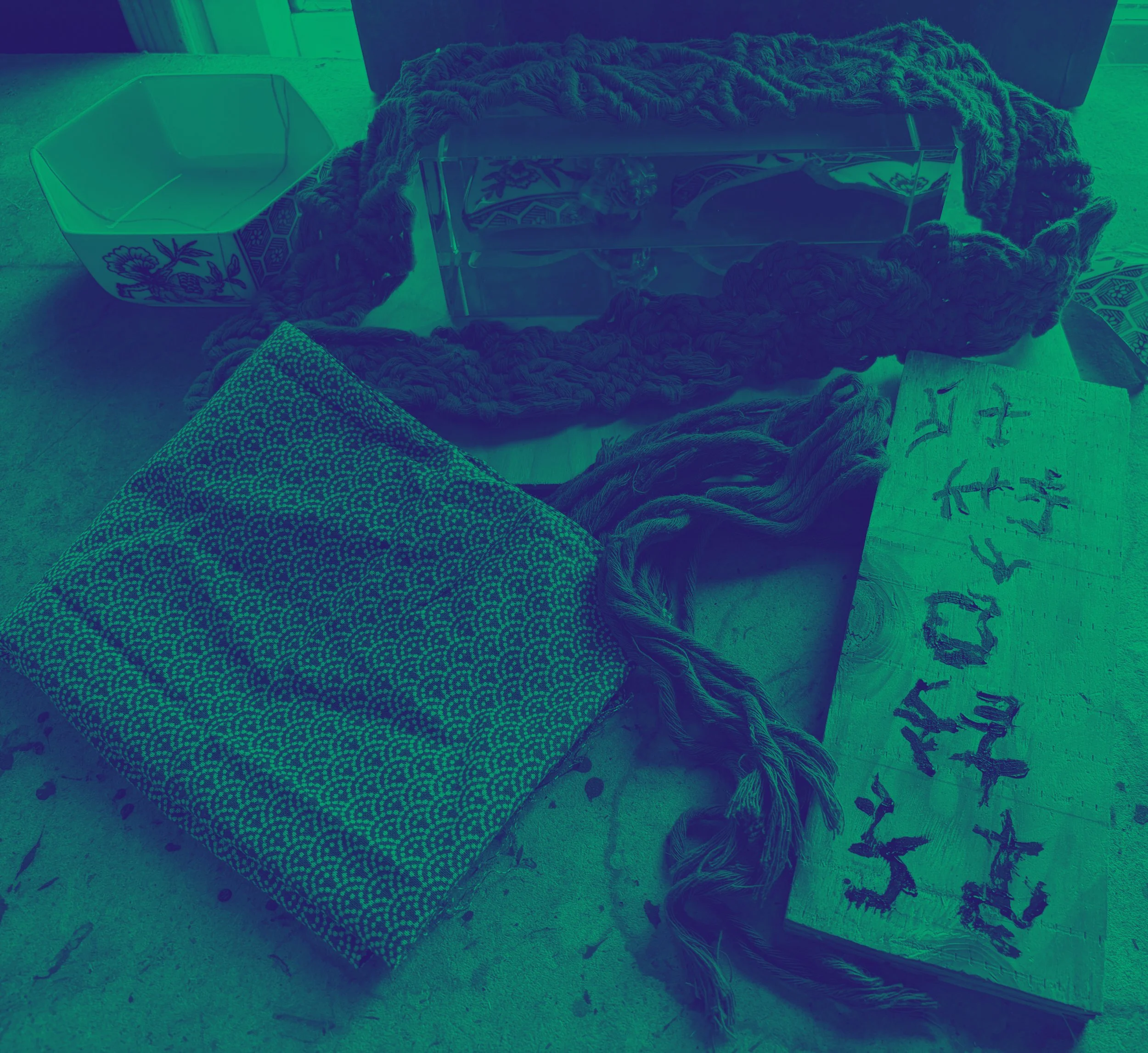
Blue
Blue nawa requirements: Completion of The Floor Series + 6 Classes of choice (3 must be patterns)
Proficiency :
Basic knowledge of foundations including: informed consent, negotiation, aftercare, vetting.
Basic Safety risk knowledge including nerve impingement and loss of circulation.
- Suspension ready chest harness, suspension ready hip harness, two pattern ties, basic knots and frictions
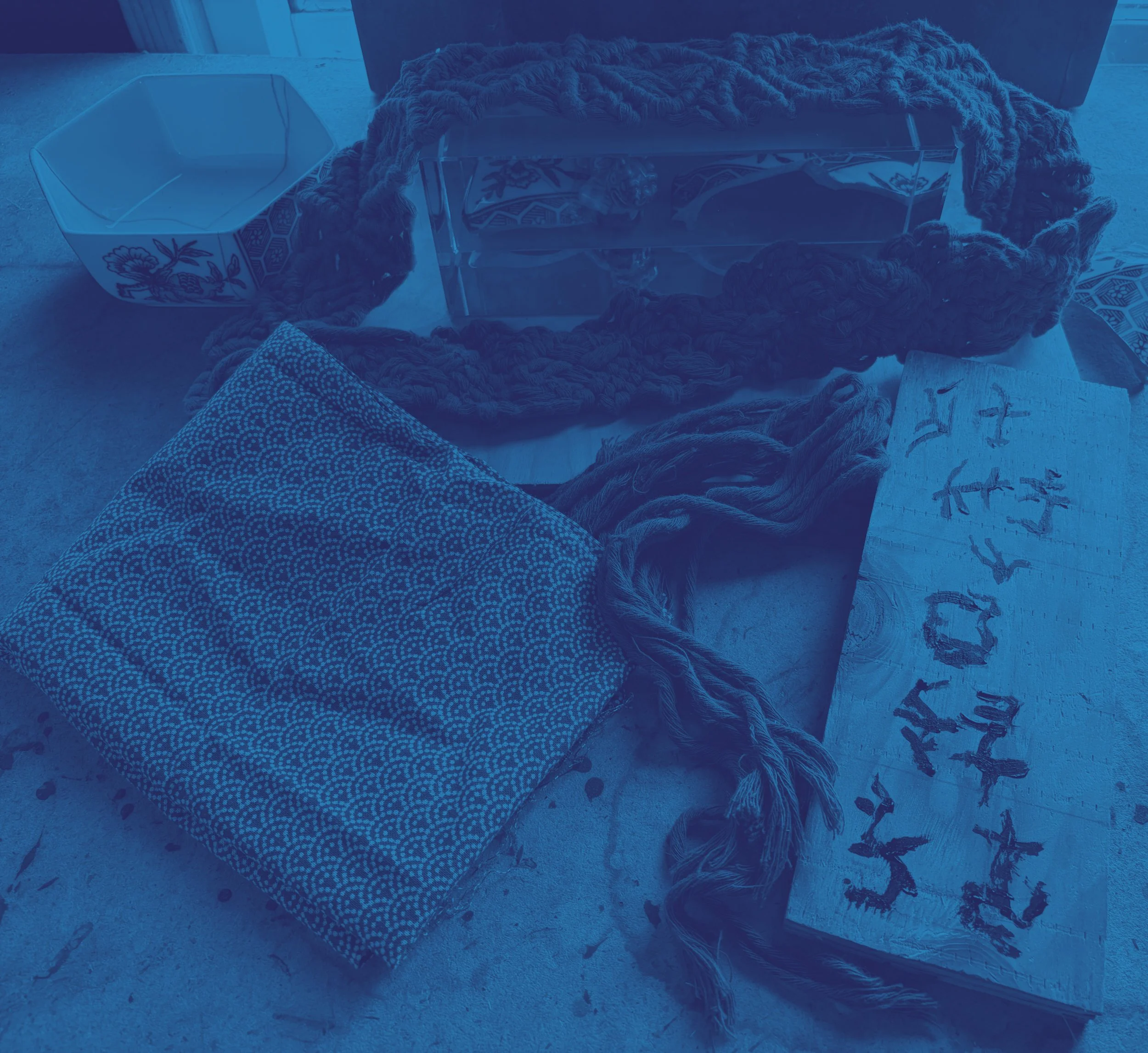
Brown
Brown nawa requirements: Completion of The Floor Series + 8 Classes of choice (1 must be in the suspension series)
Proficiency :
Basic knowledge of foundations including: informed consent, negotiation, aftercare, vetting.
Basic Safety risk knowledge including nerve impingement and loss of circulation.
- Suspension ready chest harness, suspension ready hip harness, up-line management, one sequence, basic knots and friction
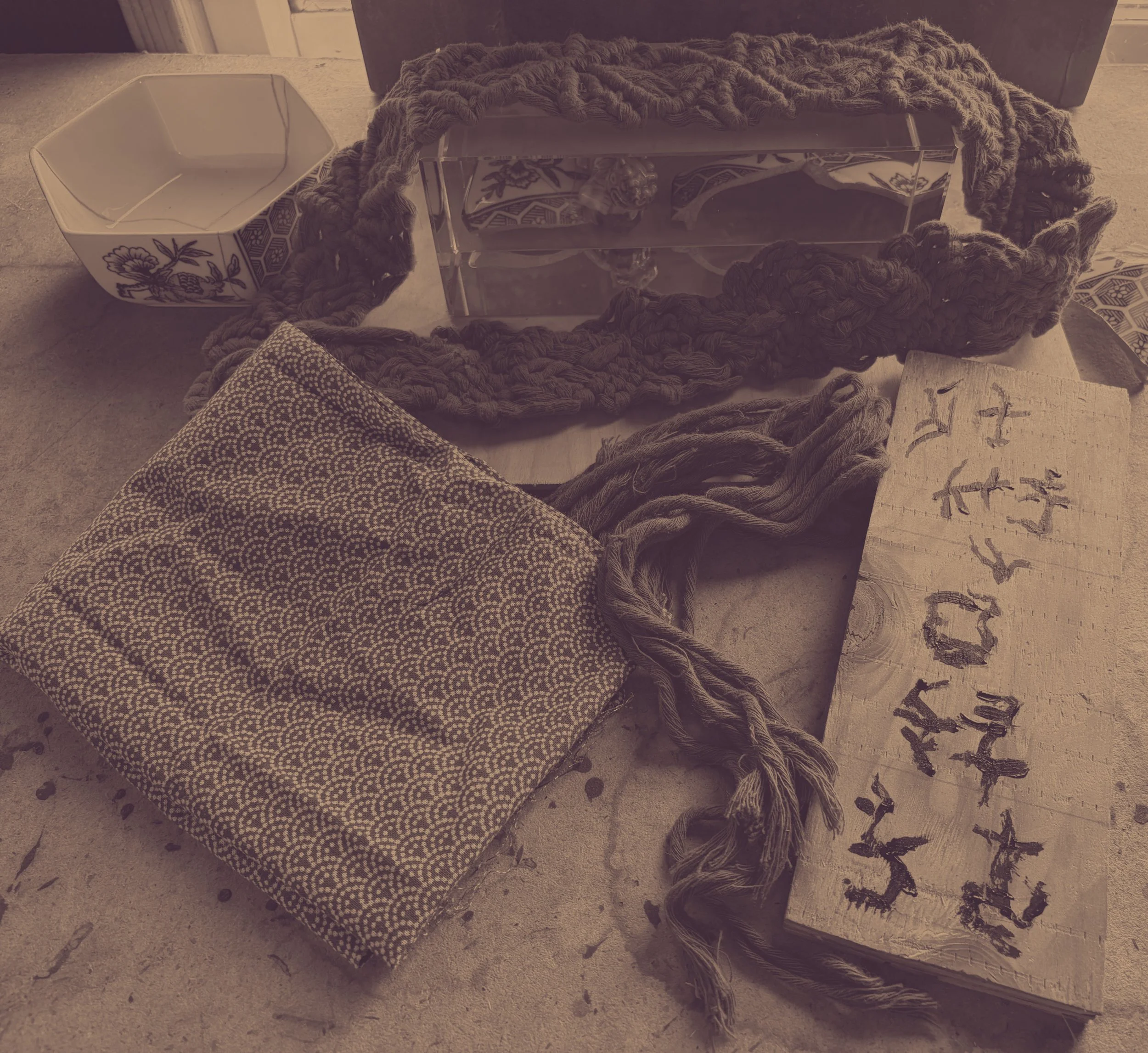
Black
Black nawa requirements: Completion of The Floor Series + 10 Classes of choice (3 must be in the suspension series)
Proficiency :
Basic knowledge of foundations including: informed consent, negotiation, aftercare, vetting.
Basic Safety risk knowledge including nerve impingement and loss of circulation.
- Suspension sequence involving a transition, up-line management, Safe and smooth ascent and descent.
Red
Red nawa requirements: Completion of The Floor Series + The Suspension or Pattern Series
Proficiency :
Basic knowledge of foundations including: informed consent, negotiation, aftercare, vetting.
Basic Safety risk knowledge including nerve impingement and loss of circulation.
- Suspension sequence involving transitions and/or tying + untying patterns in the air, up-line management, Safe and smooth ascent and descent, improvisation and adaptation proficiency.
Ceremony
Apply to receive your nawa:
Ceremony contributions cover the cost of materials, compensation for artists, crafters, and time/travel compensation for rotating judges. (Judges will be announced 3 months in advance if you would like to select a date with a particular judge). Please keep in mind we need at least 30 days notice to complete the preparation of the materials and schedule you for a ceremony day. Please make your contribution and fill out your form to apply. You will be contacted by a mentor to prepare you and make sure you have met all the requirements.
Guests/audience members are FREE! Just please RSVP so we have a headcount.
Apply to be a rotating judge:
If you are interested in judging please fill out an application form. We enthusiastically welcome judges from all areas of the world and also include a range of skill level for judges (as long as you qualify for a belt above in terms of foreknowledge you are able to judge a belt class below you). Compensation is available. *you may also judge and receive nawa yourself on the same ceremony day.
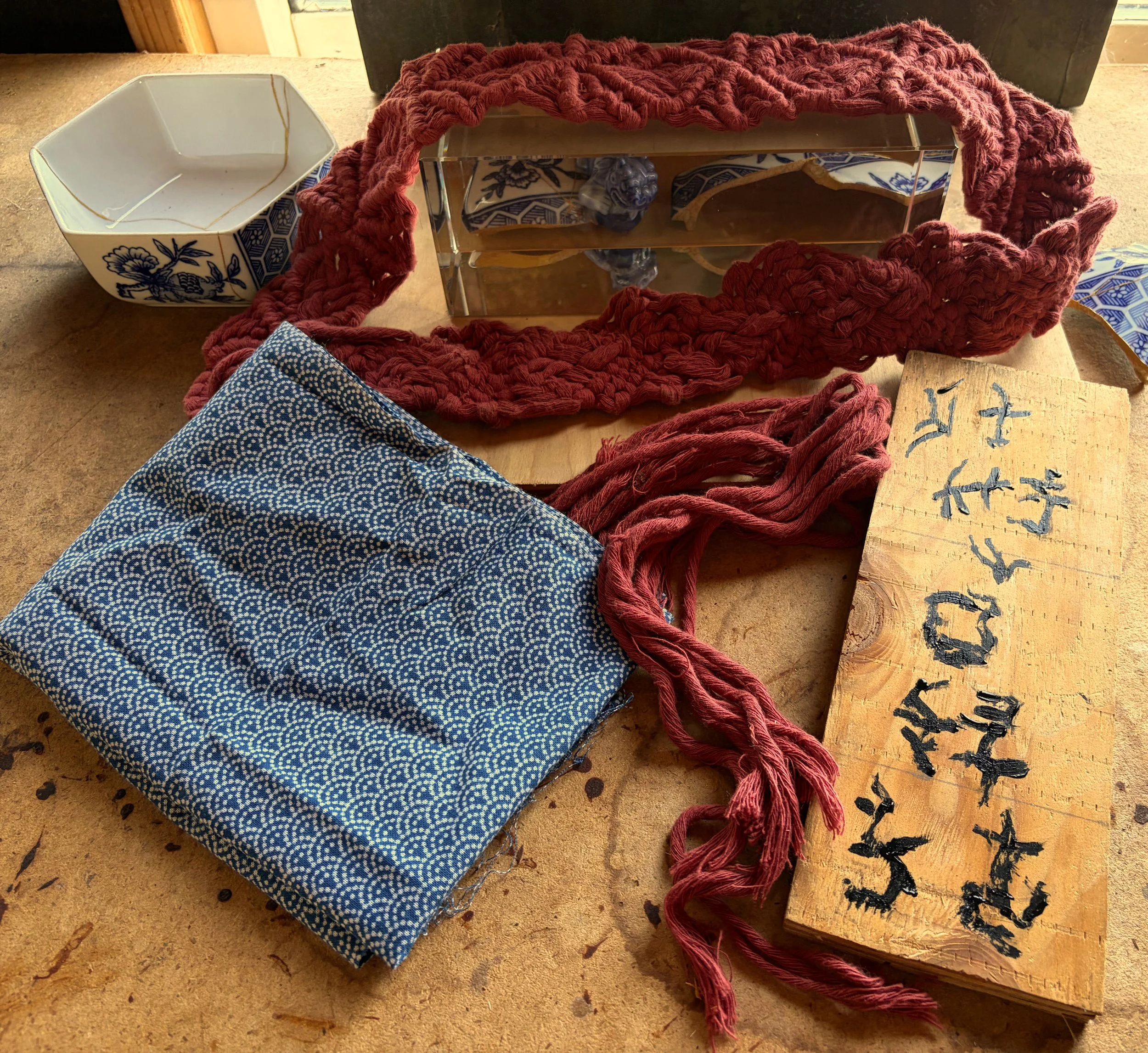
This includes your handmade macrame belt, your handmade and natural dye and fiber tengu (blindfold), a hand painted scroll on wood or paper. It also includes your ceremony in which you will display proficiency to rotating judges and with an audience. A teacher from The Rope Collective will be in touch to make sure you are prepared and requirements have been fulfilled.
Meet the Maker:
Athena Fay // Diosa Decor
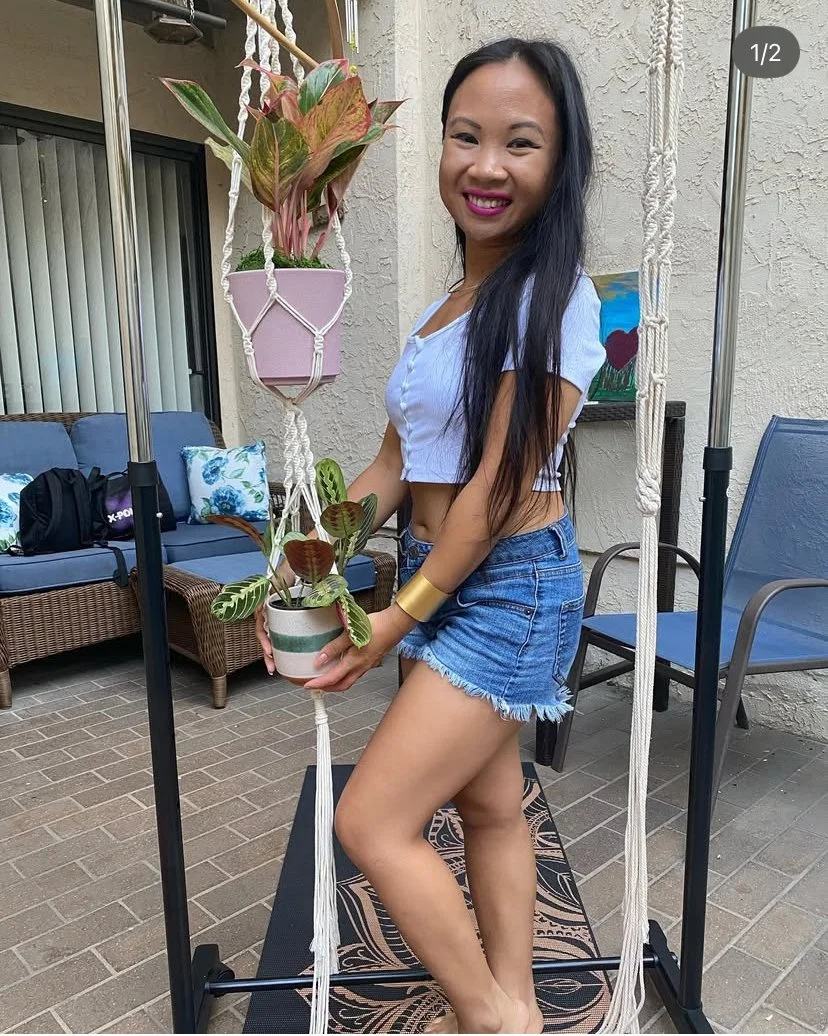
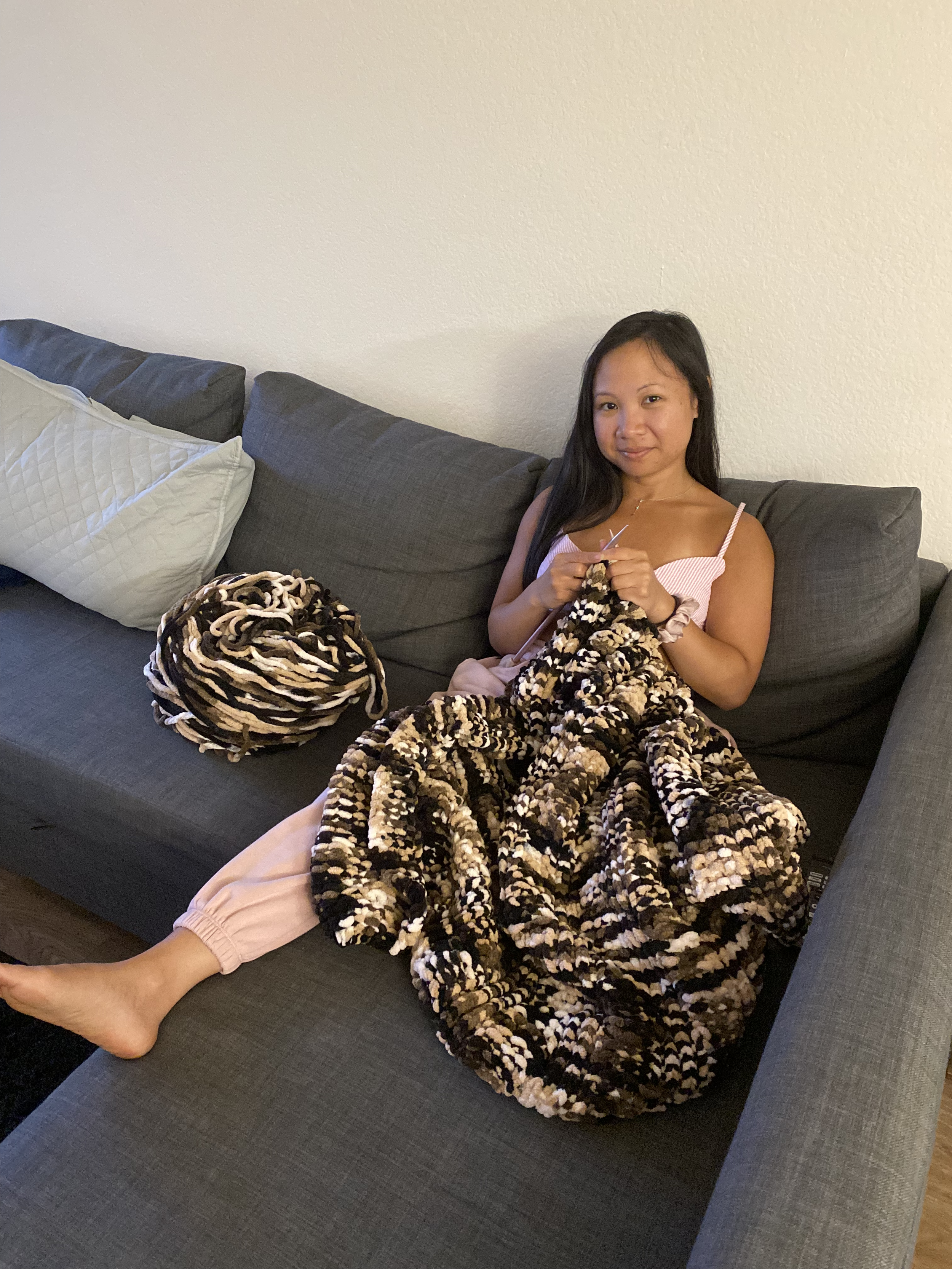
Athena’s love of crafting began in childhood, when she made friendship bracelets and potholders. Over the years, she’s explored a range of creative arts, including cross-stitch, resin work, and knitting. These days, she especially enjoys creating with macramé, turning cord and knots into handmade pieces with texture and character.
For Athena, crafting is a chance to keep learning, experiment with different materials, and bring new ideas to life by hand. She’s excited to collaborate with The Rope Collective and share more creations along the way. Follow her craft page, @diosa.decor, to see examples of her work and keep up with what she’s making.
About The Tiger’s Lair: A matriarchy and artist/craftsmen community specializing in regenerative growing, sustainable ecosystems and indigenous wisdom. Sharing the land with The Dragon’s Nest.
A new home to The Rope Collective- we look forward to a symbiotic partnership where the earth materials, artistry, and craftsmanship of the work being produced at The Tiger’s Lair will provide our scroll and tengu (blindfold creations)
Meet the Maker:
The Tiger’s LAir

History + Inspiration
One of the most core foundational pieces of the inception of The Rope Collective and our philosophies is the importance of the artistry, historical practices, and cultural reverence of modern Shibari (Japanese style) and rope in general. We aim to bring the spirit, homage, and traditions of these practices to our educational framework and environment. Thus our nawa ceremonies were birthed! It is important we note that we are not replicating and distinguishing ourselves as those studying the history, practices, and integrating in our own way with paying homage.
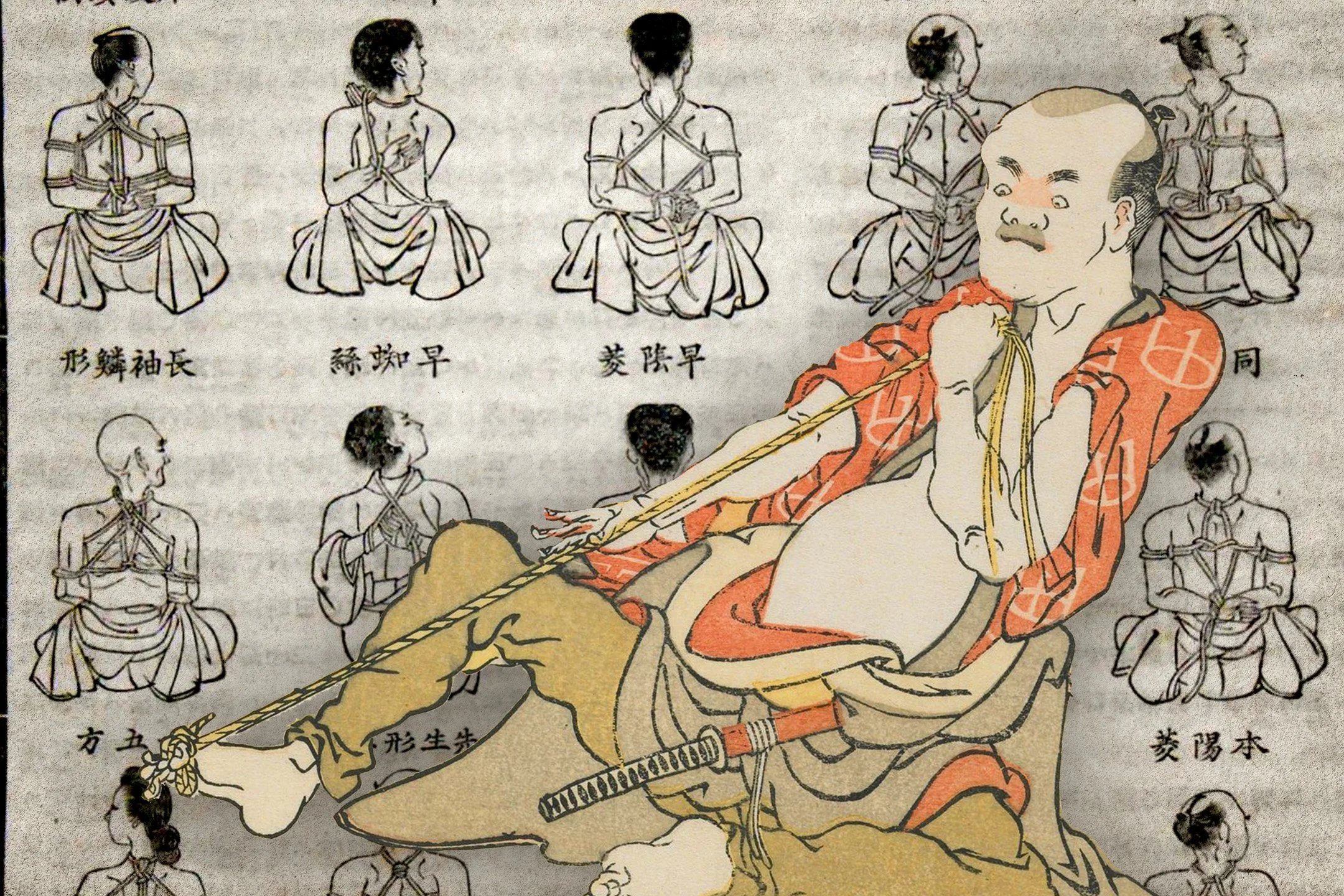
Many ties and styles in modern shibari have historical roots in Hojojutsu (also read torinawa-jutsu) is a traditional Japanese martial art of restraining, capturing, and transporting prisoners with rope. Considered one of the classical bugei juhappan—the eighteen martial arts of the samurai—hojojutsu combined practical arrest techniques with social symbolism and aesthetic presentation. Although it is best known as an art of arrest and restraint, its roots lie within a much older Japanese tradition in which rope held practical, spiritual, and symbolic significance.
(Reference: https://budojapan.com/bukijutsu/260918/
The Rope (Nawa): In hojojutsu, the central tool is not a rank belt, but the binding cord itself—traditionally made of hemp or similar fibers (such as hayanawa or honnawa ropes). Carrying the Rope: Historically, practitioners often carried or wore their binding rope wrapped around their waist or tucked into their belt (obi) alongside a sword or scabbard, rather than the rope functioning as a rank marker. Belts systems in martial arts were not added until much later with the development of Judo, Jujitsu, Karate.
https://www.tokyoweekender.com/art_and_culture/history/hojojutsu-samurai-rope-binding/
Our system will pay tribute to these traditions, while adding our own that are unique to our people, community, and land. The spirit will be in the practice, dedication, discipline, energy, and technique we cultivate in our education. Our ceremonies and materials will bring together all these elements, values, and foundations that inspire our practice.